
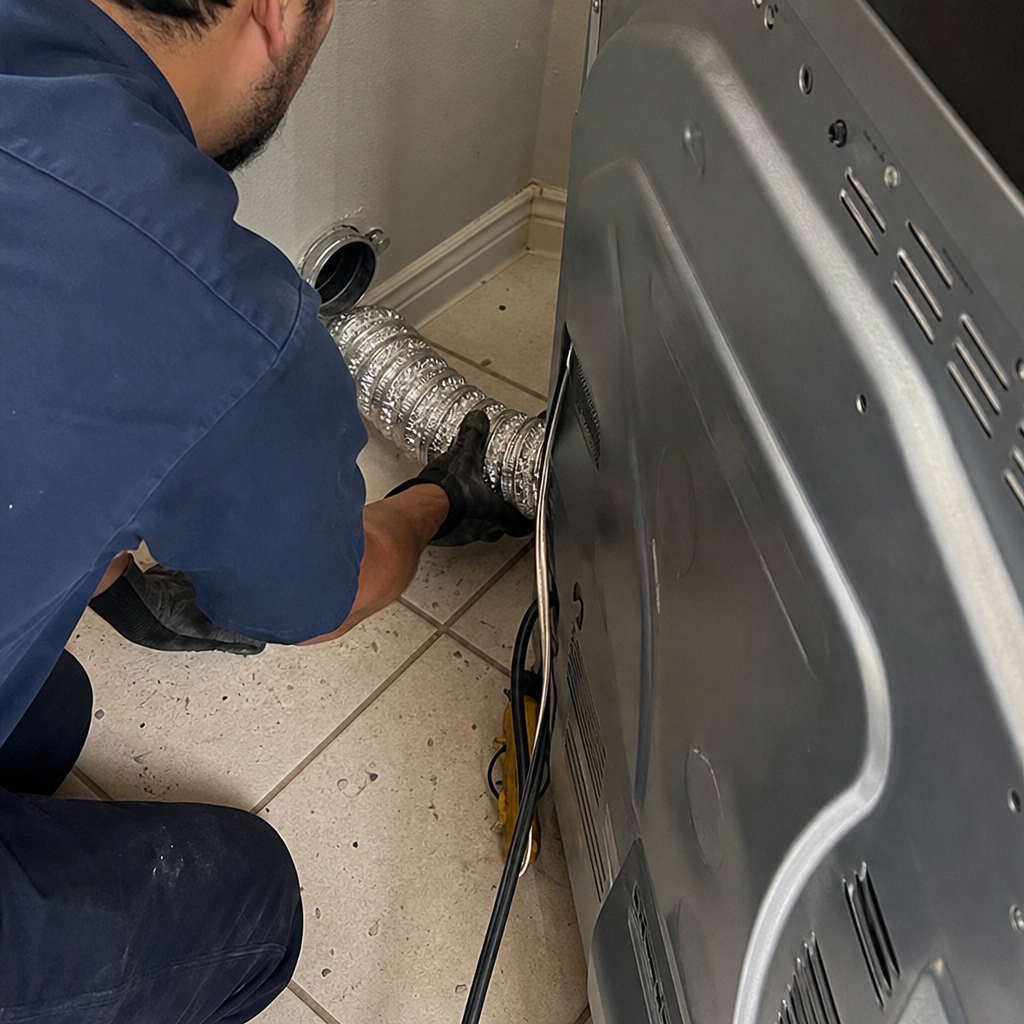
Rotobrush Coil Cleaning: The Texas Owner’s Guide
Rotobrush coil cleaning in Texas typically runs $280-$520 installed, depending on system accessibility and coil condition, and we stock the compatible brushes, foaming applicators, and vacuum attachments for same-day service on most Rotobrush units. Most Texas homeowners realize their coil cleaning system needs attention when they notice weak airflow from vents, a musty smell that returns within days of standard duct cleaning, or ice forming on the evaporator coil during our brutal July and August cooling seasons. The coil sits downstream from where standard duct cleaning reaches, and when it’s packed with pollen, construction dust, or the fine caliche that blows through North Texas every spring, the whole system labors harder than it should.
Which Rotobrush Models This Applies To
Rotobrush has produced several coil cleaning configurations over the years, and matching the right attachment or replacement head to your unit matters more than most owners expect. The Beast series (model numbers starting RB-BEAST) uses a larger-diameter brush head with a 2.25-inch center lock, while the BrushBeast and BrushBeast HD units moved to a quick-connect system that is not backward-compatible without an adapter plate. If you’re running an older Rotobrush Classic or Rotobrush 450, those units shipped with a fixed-angle wand that works for duct walls but will not reach the A-frame configuration common on Carrier and Trane coils installed in Texas homes from the late 1990s through about 2015.
We carry both OEM Rotobrush coil cleaning kits and quality aftermarket equivalents from Nikro and Abatement Technologies. The OEM kits include the spec foam pads that Rotobrush formulated for their own vacuum draw rates, which matters on the Beast series specifically. For BrushBeast units, we’ve had solid results with aftermarket quick-connect wands that run about 30% less and hold up fine under residential use. The label you need is on the motor housing, usually a silver sticker near the power switch. If that sticker’s worn off, measure the brush hub diameter and call us with the number. We’ll know which generation you have.
Bellows Air Duct & Vent Co. of Texas is an independent service provider, not affiliated with Rotobrush, though we’ve worked on their equipment since they first entered the Texas market.
Signs Your Rotobrush Coil Cleaning Is Failing
- Weak or uneven airflow from vents after cleaning. The coil surface is still partially blocked by impacted debris that the standard brush head can’t dislodge. In Texas, this is often cottonwood seed or the sticky residue left by cheap foaming cleaners that were never fully rinsed.
- Ice formation on the evaporator coil. When airflow across the coil drops below 350 CFM per ton because of blockage, the refrigerant can’t absorb enough heat and the coil temperature falls below freezing. You’ll see this first on the suction line near the air handler.
- Musty or sour smell returning within 48-72 hours of service. The odor source is biological growth on the coil fins, not the ducts themselves. A standard Rotobrush duct cleaning without coil treatment just circulates air over the colony and spreads the smell.
- System running longer cycles with higher electric bills. The compressor works harder to achieve the same temperature drop across a dirty coil. We’ve measured 15-20% longer run times on units where the coil had never been properly cleaned.
- Visible dust or debris blowing from vents immediately after startup. This means debris was knocked loose during duct cleaning but never extracted, and it’s now sitting in the plenum waiting for the blower to engage. The coil area acts like a collection point.
Replacement Cost & What’s Included
| Service Level | Typical Range | What’s Included |
|---|---|---|
| Coil cleaning with Rotobrush-compatible foaming treatment | $280-$380 | Access panel removal, foaming application, contact time, vacuum extraction, camera verification |
| Coil cleaning plus full duct system Rotobrush service | $420-$520 | Above plus complete duct run cleaning, register cleaning, before/after camera documentation |
| Coil-only maintenance (no ductwork) | $180-$260 | Visual inspection, foaming clean, rinse extraction, airflow check |
The price spread comes down to three things: how accessible your coil is (attic installations in Texas add time in summer heat), whether the coil needs multiple treatment cycles for heavy buildup, and whether we find a refrigerant leak or damaged fins that need separate repair. We show you the camera footage before we quote. The number on the phone is the number on the invoice. Every coil cleaning carries our 90-Day Done Right Promise, and we document the work with before-and-after images you keep.
DIY or Call Us?
There’s a safe middle ground here, and then there’s territory where we’d rather you didn’t risk it.
What you can check safely: whether your Rotobrush unit powers on and draws suction at the hose end, whether the brush head spins freely without wobble, and whether your coil’s access panel is reachable without removing sealed ductwork. If you can see the coil through a removable panel and it’s lightly dusty, a homeowner-grade foaming cleaner from the hardware store may help, though most of those products are not rated for use with vacuum extraction and you’ll leave residue behind.
Where DIY goes wrong: compressed air or pressure washers bend the aluminum fins permanently, and once they’re flattened, airflow is compromised until the coil is replaced. Many Texas coils are copper-tube aluminum-fin construction, and the fins are thinner than a dime. Aggressive cleaning voids most manufacturer warranties. More importantly, the evaporator coil sits in the refrigerant loop. If you disturb the drain pan, the refrigerant lines, or the TXV sensor bulb while working in tight quarters, you’ve moved from a cleaning call to a repair call. We stand behind it - and around here, that has meant something for a long time.
For coil cleaning that doesn’t create a bigger problem, call (866) 347-2063. We’ll walk through what you’re seeing and whether it needs a truck roll.
FAQs
In Texas conditions, a properly cleaned residential coil typically stays clear for 18 to 30 months. The wide range depends on whether you run the blower continuously (pulls more airborne particles through), whether pets shed heavily, and whether your return air filtration is MERV 8 or higher. Homes near active construction or agricultural areas in the Metroplex tend toward the shorter end. Call (866) 347-2063 if you’re unsure whether yours is due - estimates are free.
No. A dirty coil cannot be “repaired” - it must be cleaned or, in cases of severe corrosion or fin damage, replaced entirely. The question we usually get behind this one is whether cleaning is worth the cost versus living with reduced efficiency. On a 3-ton system in a Texas summer, a dirty coil can add $40-$70 per month to your electric bill, so the cleaning pays for itself quickly. Call (866) 347-2063 for an exact quote on your system.
The actual cleaning takes 45 to 90 minutes for a standard residential evaporator coil. Add 30 minutes if we need to remove and reinstall a hard-to-reach access panel, which is common on attic installations in older Texas homes. Most appointments, including setup and camera documentation, are completed in under two hours. Same-day scheduling is available when you call (866) 347-2063.
Yes. We stock Rotobrush-compatible coil cleaning brushes, foaming applicators, vacuum extraction wands, and the adapter plates needed for older Classic and 450-series units. We also carry Nikro and Abatement Technologies equivalents for same-day service if your Rotobrush-specific part is back-ordered. Wade Kellerman made the decision years ago to over-stock rather than make a second trip - most jobs are completed in a single visit. Call (866) 347-2063 to confirm availability for your model.
Written by Wade Kellerman, Owner, Bellows Air Duct & Vent Co. of Texas at Bellows Air Duct & Vent Co. of Texas, serving Texas and nearby areas.